The routes of global commerce are being redrawn.
For much of the past two decades, cross-border commerce largely followed an east-to-west trajectory. Today, an Asian gaming company might launch simultaneously across Southeast Asia, the Middle East and Latin America. Middle Eastern brands are entering Asian markets, while trade within Asia itself continues to expand. Money is no longer moving in just one direction.
At the same time, local payment ecosystems are becoming increasingly influential. Across Southeast Asia, national QR payment systems such as QRIS and PromptPay coexist with popular digital wallets including GCash and DANA. Saudi Arabia has its domestic card scheme, mada, while Brazil has built a thriving instant payment ecosystem around Pix.
As markets become more diverse, so do the rules governing them. Every new market brings its own payment preferences, regulatory requirements and risk considerations.
This shift is at the heart of Singapore FinTech Festival (SFF) 2026, held under the theme "The Coming Rewiring of the Financial System: New Risks. New Rules. New Growth." Among the festival's central discussions is "Building New Economic Corridors," reflecting how global financial connectivity is evolving alongside international commerce.
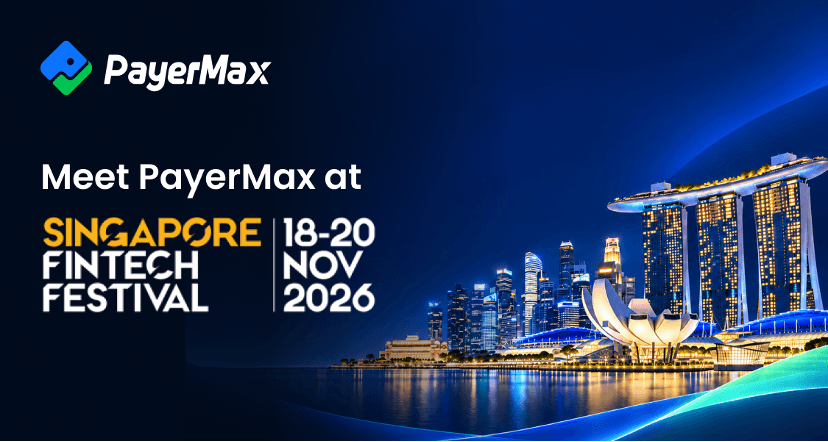
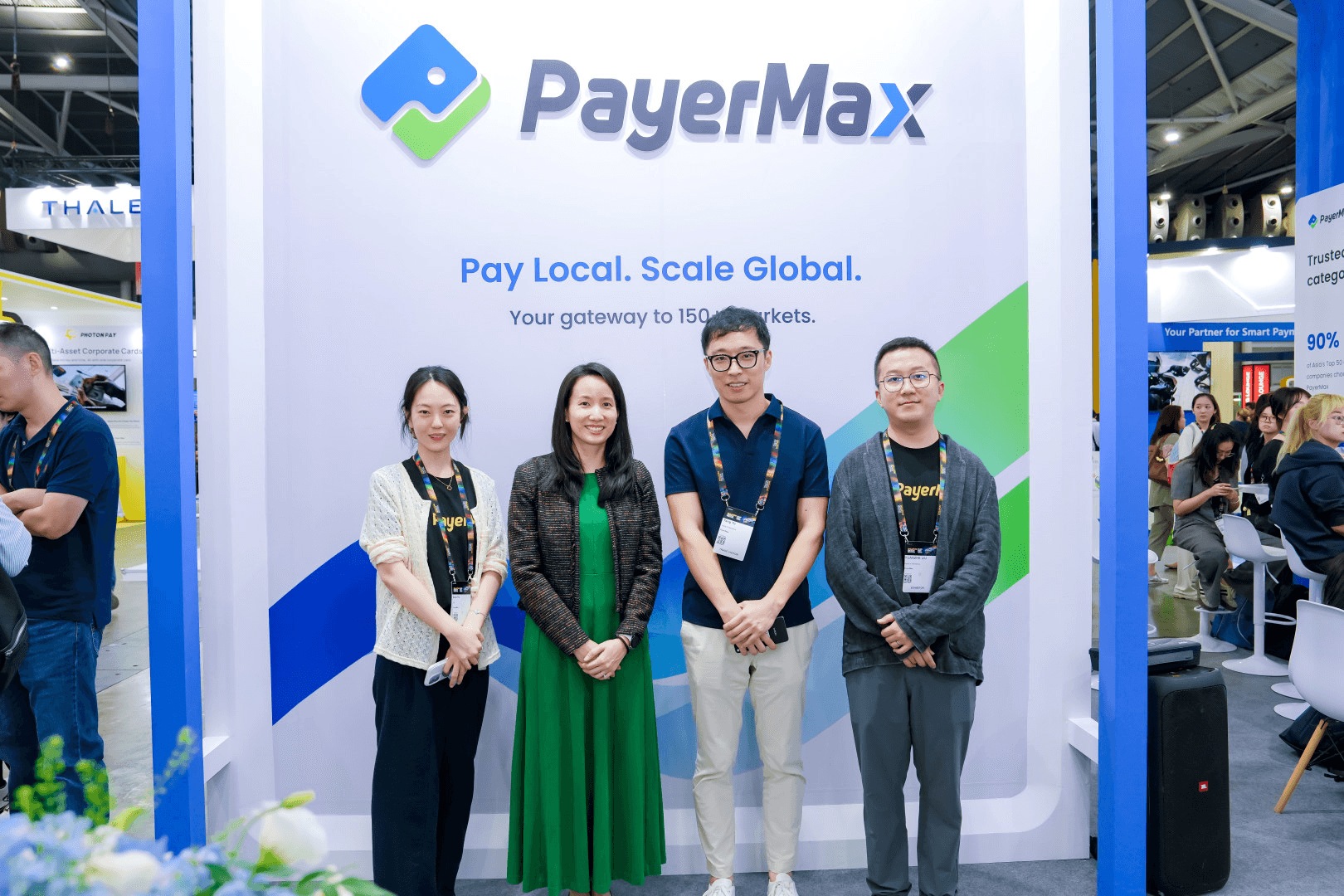
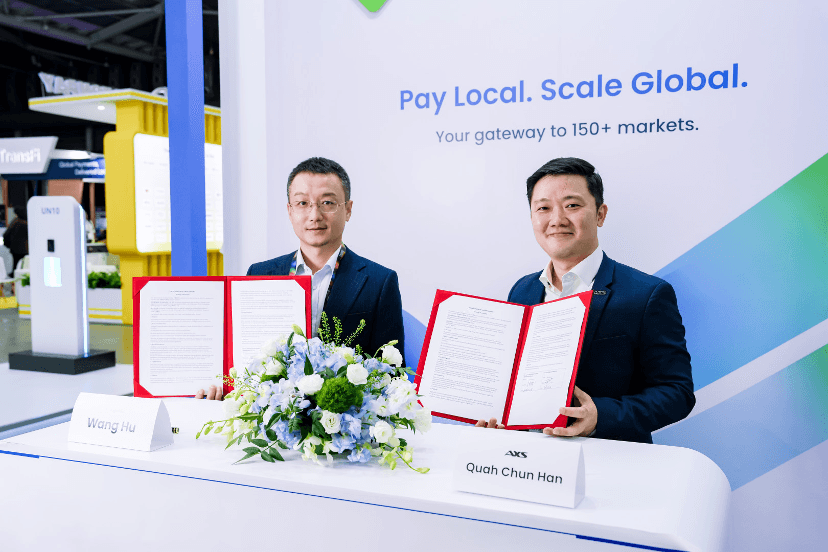
From November 18 to 20, PayerMax returned to SFF, engaging with a broad network of global financial institutions and payment partners. Throughout the event, the company held MOU signing ceremonies and high-level strategic meetings with partners including Standard Chartered, DBS, Barclays, Banking Circle, Fiserv and Worldpay; global payment brands such as Google Pay and PayPal; and regional payment providers, including GCash, ShopeePay and AXS.
Together, these relationships reflect a shared direction: PayerMax is building multi-directional global payment corridors to help merchants succeed across international markets.
Making these corridors work requires three essential capabilities:
A strong financial foundation: Enabling funds to be cleared securely and compliantly across different financial systems.
A consistent global payment experience: Allowing consumers to pay through familiar, trusted methods wherever they are.
Deep local connectivity: Connecting merchants to the payment networks and services that consumers actually use in each market.
PayerMax's partnerships at SFF 2026 reflect its investment in all three.
01 | The Financial Foundation: Working with Global Banks to Connect Financial Systems
As financial rules evolve, cross-border money movement faces increasingly complex demands around compliance, foreign exchange and settlement.
Businesses operating across multiple markets need to collect payments, convert currencies and settle funds across jurisdictions. Each transaction may involve different regulatory frameworks and banking networks, with implications for speed, cost and security.
No single institution can address all these requirements alone.
By working with leading international banks, PayerMax brings together global clearing networks, foreign exchange capabilities and established risk management expertise. International banks contribute extensive financial infrastructure, while fintech companies such as PayerMax bring direct merchant relationships, local acquiring capabilities and regulatory licenses in key markets.
Together, these complementary strengths help make cross-border fund flows more efficient and accessible.
PayerMax's relationship with Standard Chartered illustrates how such collaboration works in practice.
The two companies have worked together for years, with PayerMax integrating Standard Chartered's FX Scale foreign exchange service into its own systems. Through Singapore and Hong Kong as financial hubs, the partnership connects accounts across different markets and supports technical integration through host-to-host (H2H) connectivity and APIs in multiple countries. It also supports multicurrency virtual accounts and bulk payouts.
In effect, Standard Chartered's established international banking network becomes part of the payment workflows that PayerMax merchants rely on every day.
For businesses operating across several markets, this collaboration helps support what happens after a consumer completes a payment: currency conversion, fund movement and settlement.
Luke Boland, Global Head of Fintech at Standard Chartered, has previously described the relationship in terms of complementary strengths, noting that PayerMax's licensing footprint across Southeast Asia and the Middle East aligns closely with Standard Chartered's network coverage.
That licensing footprint reflects years of investment in local regulatory compliance.
Today, PayerMax holds eight payment licenses across seven markets: Singapore, Hong Kong SAR, Indonesia, Thailand, the Philippines, the United Arab Emirates and Saudi Arabia.
For banking partners, local licenses provide an important foundation for operating within established regulatory frameworks. For merchants, they contribute to greater confidence in the security and predictability of cross-border payment services.
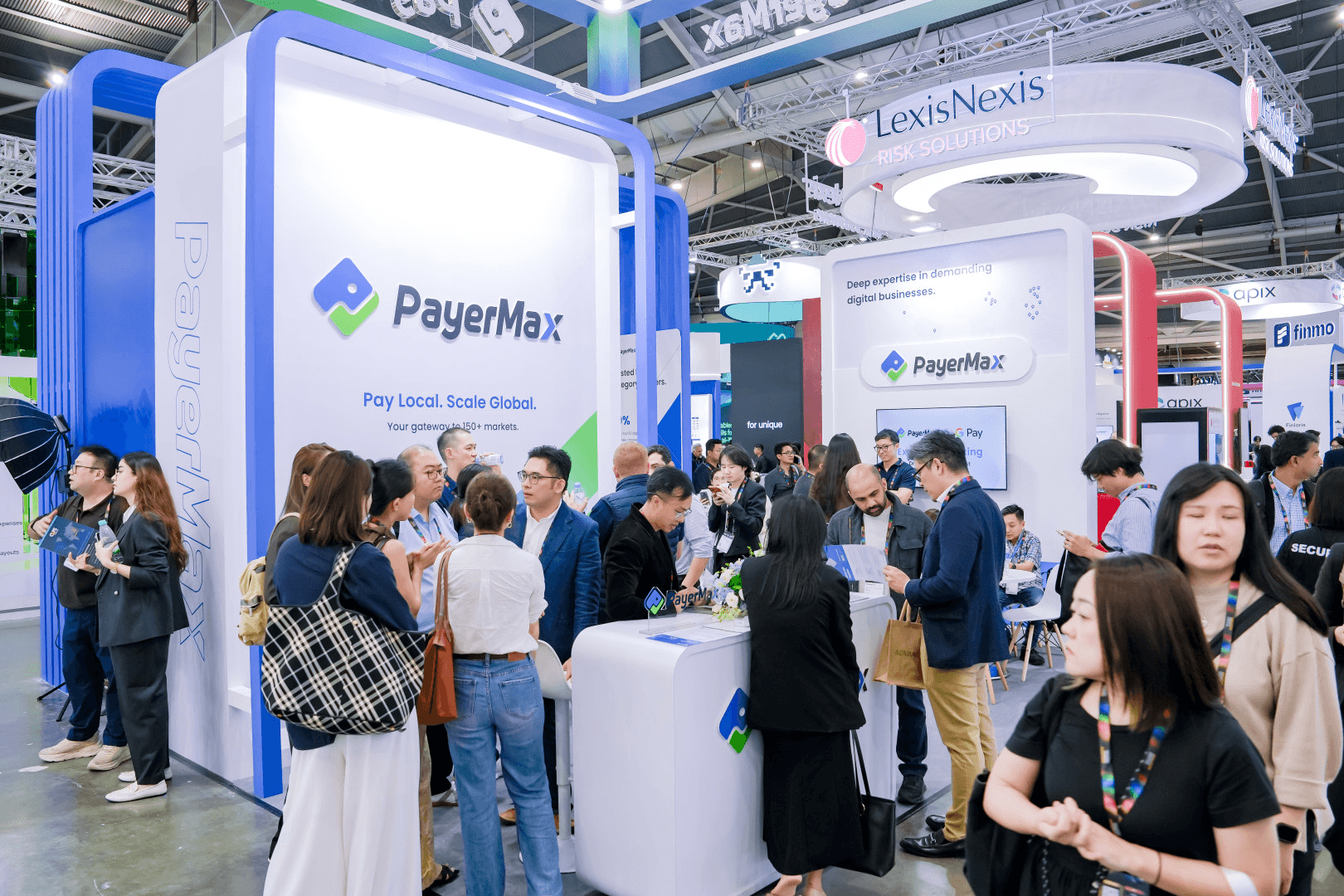
At SFF 2026, Standard Chartered once again met with PayerMax's leadership team. Senior representatives from DBS, Barclays, Banking Circle and other international banking and financial infrastructure institutions also visited the PayerMax booth for high-level strategic meetings covering cross-border fund flows, foreign exchange and global settlement opportunities. These discussions opened up further opportunities to enhance cross-border fund management efficiency and better support the diverse payment needs of merchants expanding internationally.
02 | A Global Payment Experience: Making It Easier for Consumers to Pay, Wherever They Are
Growth begins with a simple requirement: consumers need to be able to pay, and their payments need to go through.
Digital commerce has made geographic boundaries increasingly less relevant. The same game or social entertainment platform may serve users across dozens of countries.
For many of these consumers, global payment methods such as Apple Pay, Google Pay and PayPal offer something valuable: a familiar and trusted experience across markets.
For merchants, however, simply making these payment options available is only the beginning. The quality of the checkout experience can have a direct impact on conversion.
This is where PayerMax's collaborations with global payment brands are moving beyond payment acceptance to focus on how consumers actually complete transactions.
Google Pay featured PayerMax in an official case study highlighting the integration of the Dynamic Google Pay Button into PayerMax's Hosted Checkout Page.
By displaying the card network and last four digits of a consumer's saved payment card, the feature helps users identify their preferred payment method and complete checkout more easily.
The results were measurable: a 6.3% increase in checkout conversion and a 3.8% improvement in payment success rates.
PayerMax has also been recognized as an officially recommended payment service provider for Apple Pay, highlighting its global digital payment capabilities.
Meanwhile, PayerMax now supports PayPal wallet payments, extending payment choice through one of the world's most widely used digital payment services, available across approximately 200 markets.
Through PayerMax, merchants can manage PayPal transactions, refunds and reconciliation within a unified payment environment, making it easier to serve consumers across different markets.
These partnerships address a common challenge for global merchants: delivering a consistent, efficient payment experience across borders without losing sight of local consumer preferences.
03 | Local Networks: Making Global Payment Corridors Work on the Ground
Commerce may cross borders, but payments remain deeply local.
The growth of local payment ecosystems has created new opportunities, along with new complexities.
Payment networks are becoming more fragmented. Regulatory requirements differ across jurisdictions, while fraud patterns continue to evolve across borders. Consumers in different countries have their preferred apps, payment methods and financial systems.
There is no universal payment model that works equally well everywhere. To succeed in a new market, merchants need to connect with the payment methods that local consumers know and trust.
Building those connections takes time. It requires a market-by-market approach, sustained local investment and close collaboration with regional financial institutions and payment partners.
As an early participant in the development of payment services across emerging markets, PayerMax has established one of the broadest payment method networks among Asian payment companies serving Southeast Asia.
Today, its network spans more than 150 countries and regions and supports over 600 payment methods.
Behind that reach is a combination of local teams, financial partnerships and years of experience navigating the distinct requirements of different markets.
But meaningful local connectivity is about more than adding payment methods to a platform.
Southeast Asia: Strengthening Long-Term Local Partnerships
Across Southeast Asia, PayerMax maintains close relationships with established regional payment providers.
In the Philippines, leading digital wallet GCash recently recognized PayerMax with its Best Cross-Border Payment Partner award, reflecting the strength of their longstanding collaboration in the country's digital payments market.
The partnership with ShopeePay offers another example.
In Malaysia, PayerMax enables eligible merchants to offer ShopeePay wallet balance payments and SPayLater buy-now-pay-later services, giving consumers more flexible checkout options across gaming, digital entertainment and other online services.
Beyond payment acceptance, the two companies have also developed close operational collaboration around fund flows and reconciliation, while identifying further opportunities in localized marketing and merchant growth.
In Singapore, meanwhile, the opportunity extends beyond online commerce.
PayerMax is deepening its collaboration with AXS, a local payment services provider with more than two decades of experience in the Singapore market.
By bringing together PayerMax's international merchant relationships and AXS's established local in-person payment infrastructure, the two companies are exploring ways to extend merchant payment services from online channels into physical retail and other offline environments.
The collaboration aims to address a wider range of payment needs across different consumer touchpoints.
East Asia: Connecting Distinctive Local Payment Ecosystems
In East Asia, PayerMax's local payment capabilities reflect the particular characteristics of each market.
In South Korea, PayerMax supports all major local digital wallets, alongside locally popular payment options such as Cultureland gift certificates, extending payment choice into gaming, digital entertainment and other specialized consumer scenarios.
In Japan, PayerMax became the first Asian payment company to enable international merchants to accept Rakuten Pay. Its local payment coverage also includes widely used services such as PayPay, connecting international businesses with Japan's established digital payment ecosystem.
In Taiwan, PayerMax was among the first Asian payment service providers to establish direct partnerships with local financial and payment institutions, including E.SUN Bank and PXPay Plus.
Middle East: Building Local Financial Infrastructure
In the Middle East, PayerMax invests in the financial infrastructure and payment capabilities needed to support international commerce.
The company was among the first Asian fintech businesses to establish a regional headquarters and research and development center in the Middle East and North Africa (MENA).
It has connected to Saudi Arabia's national payment network, mada, and became the first Asian fintech company to obtain Saudi Arabia's Payment Technical Service Provider (PTSP) certification.
In the United Arab Emirates, PayerMax obtained a regulatory license from the Financial Services Regulatory Authority of Abu Dhabi Global Market in 2022.
These milestones reflect its long-term commitment to building a locally grounded presence in the region.
Latin America: Investing in Local Market Expertise
PayerMax began expanding into Latin America in 2021, establishing local offices and teams in Brazil and Mexico.
Through connections with widely used local payment methods and continued investment in market knowledge, the company has worked to bring a deeper understanding of regional payment preferences and operating environments into its merchant services.
Turning Local Payment Expertise into Measurable Merchant Results
The value of this long-term local investment can also be seen in merchant performance.
In the United States, global social entertainment platform StarMaker worked with PayerMax to refine its checkout experience around local payment preferences.
The collaboration delivered a 20% improvement in payment completion rates, a 25% increase in users choosing local payment methods, and payment process availability exceeding 99.9%.
PayerMax brings market-specific payment capabilities into its global service network, supporting merchants with locally relevant payment options and better transaction experiences.
True global payment capability is not simply about helping merchants enter more markets. It is about helping them operate effectively in each one, with payment experiences that reflect how local consumers prefer to pay.
The barriers between payment ecosystems do not disappear simply because commerce becomes more global.
That is why PayerMax invests in local networks: so that when merchants enter a new market, they do not have to build their payment infrastructure from the ground up.
The Connections Continue: Building Multi-Directional Global Payment Corridors
For merchants entering a new market, the priorities are straightforward: funds need to arrive securely, customers need a smooth way to pay, and familiar local payment methods need to be available.
Meeting these expectations is far from simple. PayerMax works closely with financial institutions, global payment brands and local partners to make these connections work in markets around the world.
Looking ahead, PayerMax will build on its global payment network and local market expertise to strengthen multi-directional global payment corridors, helping merchants succeed across international markets.